
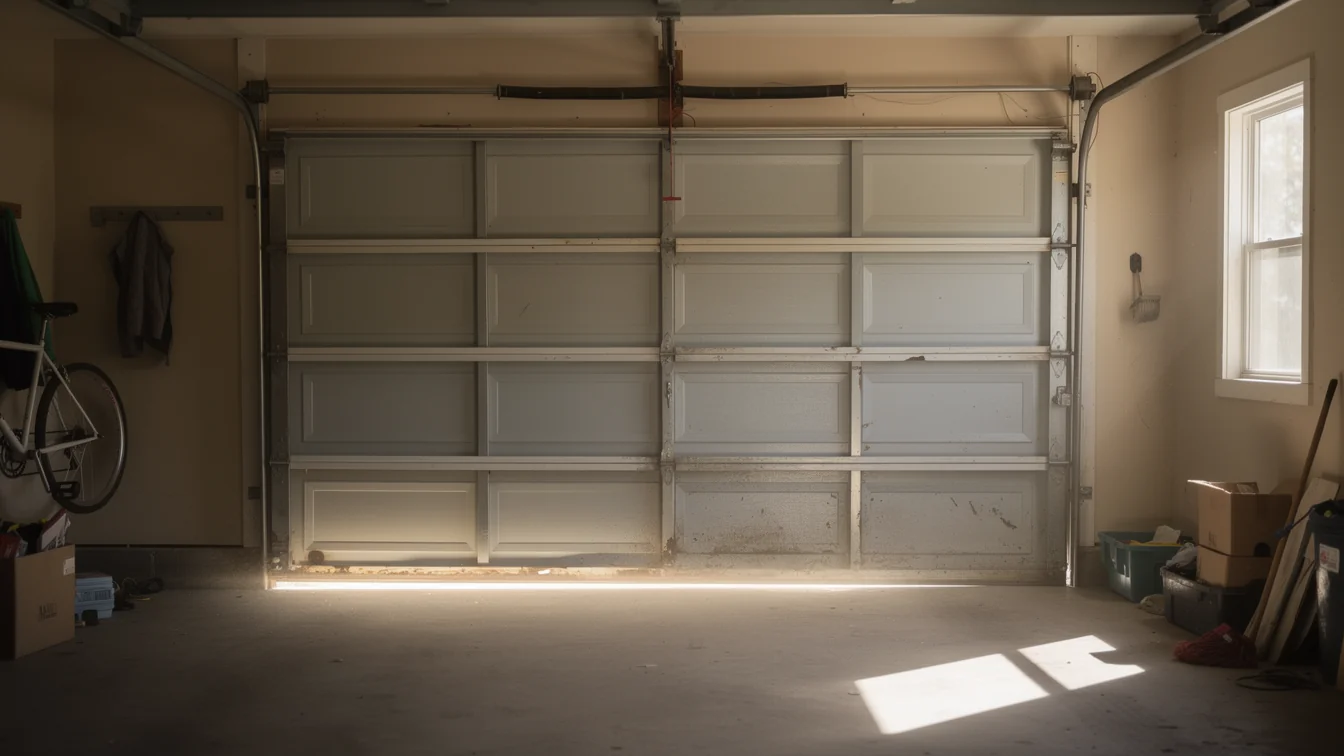
Why the Age of Your Slidell Garage Door Matters More Than the Season
Most Slidell-area garage doors date to the 1989-1997 building boom.
Read moreMost Slidell homes date to 1989-1997, so the doors coming due now are original 1990s hardware. Here's what's worth repairing and what isn't.
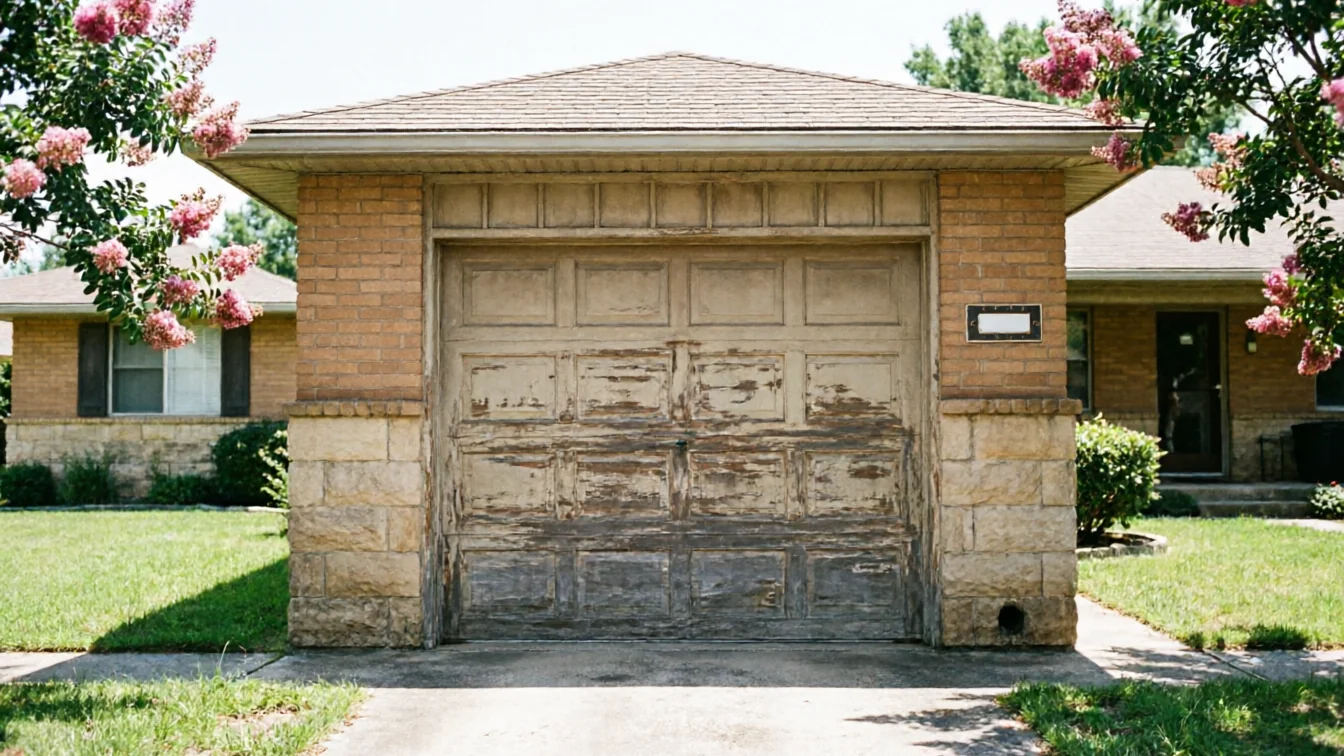
Local detail
Most houses across this part of Slidell went up between 1989 and 1997, with the bulk of that stock concentrated in five named areas that all built out around the same stretch of years. That means a lot of garage doors in this service area are original equipment, now thirty-plus years old, with the openers, springs, and rollers that came with the house. When one of these doors starts acting up, the question isn't really "what's wrong with it" - it's "has this door earned a repair or has it run out its clock." A door from this era usually has steel panels that have held up fine, but the galvanized torsion springs rated for that period's cycle counts are long past due, and the openers are often chain-drive units with worn drive gears. We look at the whole unit before we quote anything, because on a door this age, fixing one part sometimes just exposes the next one that's about to go.
The area
Slidell sits in a mild climate band with occasional freeze nights, not the deep freeze-thaw cycles that crack concrete slabs and warp steel tracks further north. That's good news for a door this age - it means the track and jamb hardware on a 1990s-built house usually isn't bent from seasonal ground movement, which is the kind of damage that makes a repair pointless. What does wear on a door here is humidity and the swing between a mild winter morning and a hot, wet afternoon. Steel panels on original doors from this build era can show surface rust at the bottom panel seams and around weatherstripping channels, especially on the north or shaded side of the garage. That's a cosmetic and sealing issue more than a structural one, and it rarely means the door itself needs replacing - just new weatherstrip and sometimes a bottom panel.
What we find
The mistake we see most in this area is homeowners replacing the opener when the real problem is the spring, or replacing the whole door when the real problem is the opener. On a house built in the late 1980s or 1990s, the opener is usually the second or third one installed over the life of the house - these get swapped out more often than the door itself, because openers have moving parts that wear on a predictable schedule while a steel door panel, barring damage, doesn't. If your door is from the original build and has never had a spring replacement, that's usually the first thing to check, not the opener and not the panels. A spring job is a fraction of the cost of a new door, and on a door this age with no dents, no rot, and tracks that are still straight, it's almost always worth doing.
How we work
With roughly 8,911 owner-occupied houses in this service area and a median household income of $72,411, most of the calls we get are from people weighing a repair against a full replacement on a door that still has good bones. That math usually favors repair here: the housing stock is uniform enough in age that parts for 1990s-era doors are still easy to source, which isn't true in neighborhoods with a patchwork of eras. Being inland of Eden Isle and Pearl River, this area doesn't see the direct marine salt exposure that chews through hardware faster near the water, so steel components on an original door typically outlast what you'd expect on a coastal install. Where we draw the line is structural: if the door has racked out of square, if a panel's rusted through rather than just surface-rusted, or if the track's been bent from an impact, that's a replacement conversation, not a repair one.
Questions
Not necessarily. Age alone isn't the deciding factor - condition is. If the panels are straight, the tracks aren't bent, and it's just the spring or opener acting up, a door from this era is usually worth repairing. We look at the whole unit before recommending replacement.
That's typical for this climate. Slidell's mild, humid conditions with occasional freeze nights tend to cause surface rust at panel seams and weatherstrip channels rather than the cracking and warping you'd see in harsher freeze-thaw regions. Usually it's a weatherstrip and bottom panel fix, not a full door replacement.
Check the spring first if it's never been replaced. Openers in this area typically get swapped more than once over a house's life since they have more moving parts, while the original steel door panel often outlasts several openers if it hasn't been damaged.
Recommendation
More garage door guides for Slidell homeowners.
Most Slidell-area garage doors date to the 1989-1997 building boom.
Read more
Most Slidell garage openers date to the 1989-1997 building boom.
Read more
Most Slidell garage doors date to 1989-1997 and rarely see real freeze.
Read moreReady when you are
Slidell Garage Door Pros repairs and installs garage doors, springs and openers in Slidell, LA and the surrounding area.