
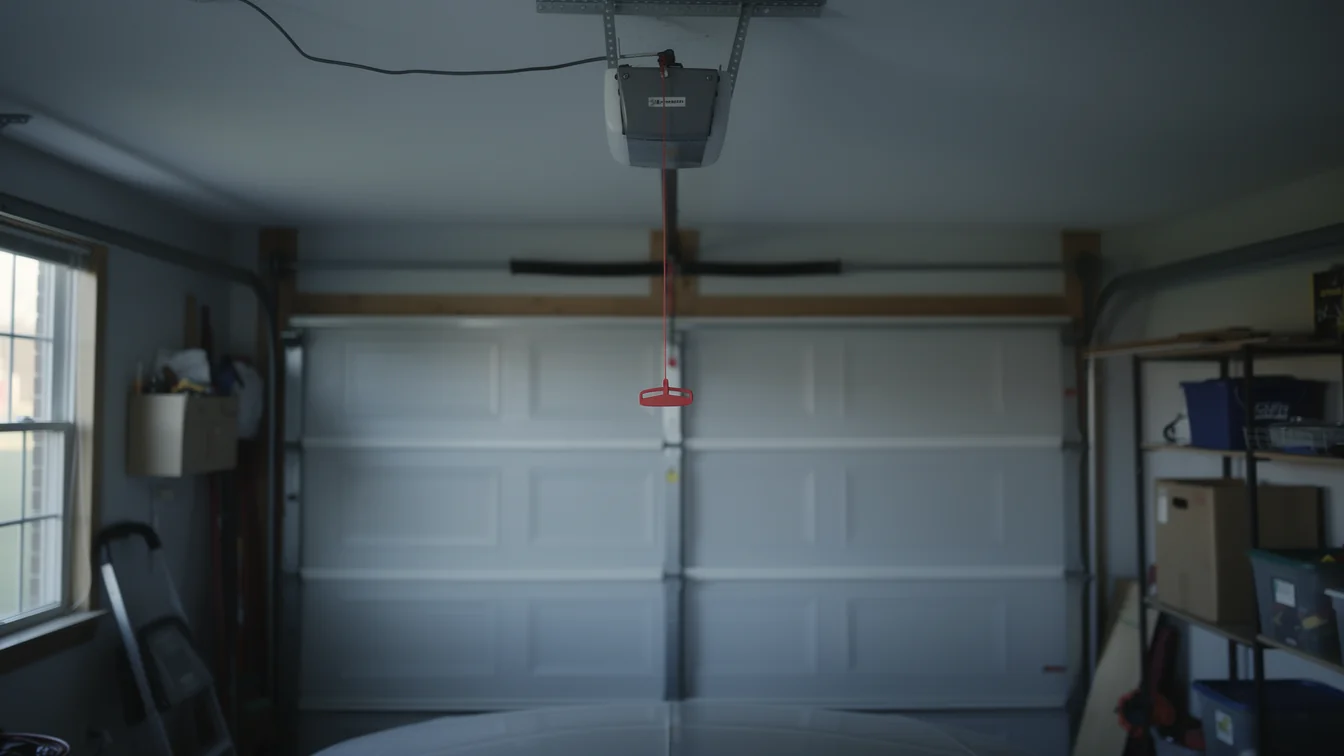
Openers and Power Cuts in Slidell's 1990s Housing Stock
Most Slidell garage openers date to the 1989-1997 building boom.
Read moreMost Slidell garage doors date to 1989-1997 and rarely see real freeze. When temps drop, that unused steel is what fails. Here's what to check first.
Local detail
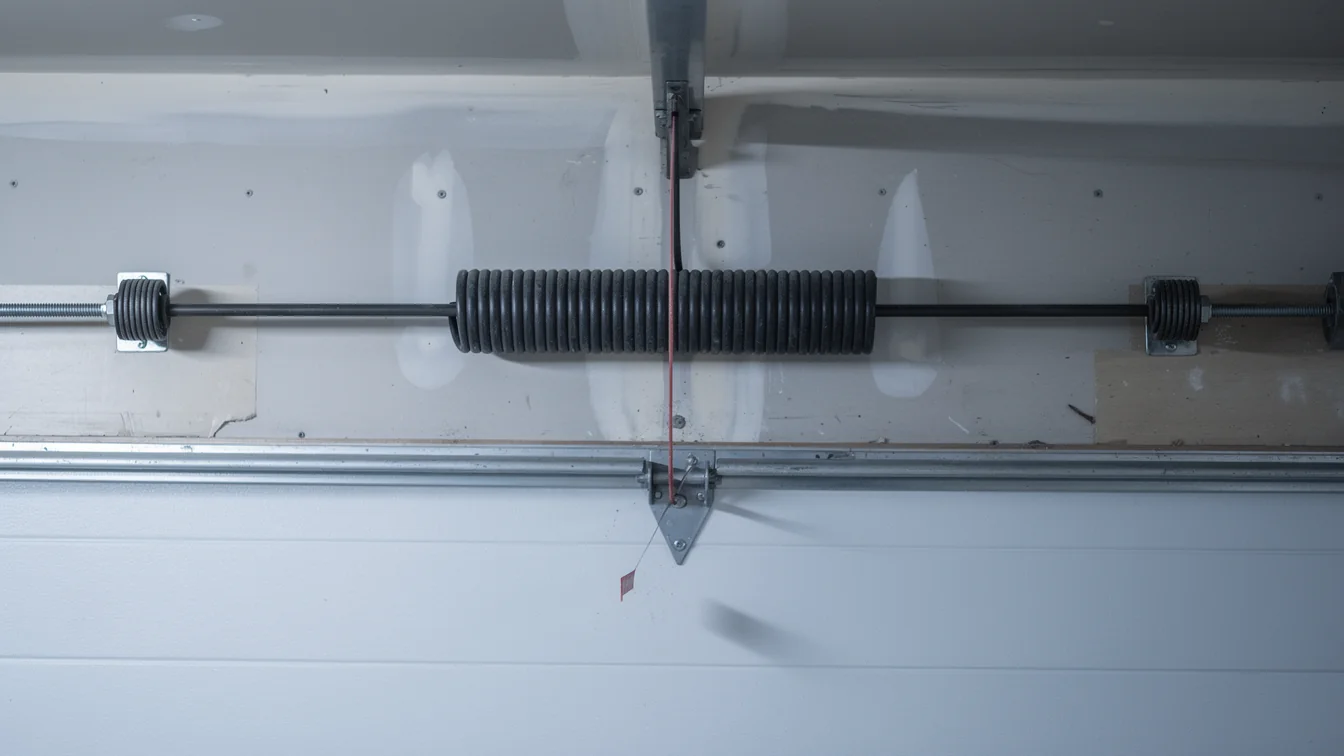
Most of the houses we work on around Slidell went up between 1989 and 1997, with similar stock across the five areas we see most - the doors and openers on them are old enough that the original torsion springs have been doing their job, unnoticed, for close to three decades. That's not unusual for this age of house. What's unusual is how little those springs get exercised through a real cold cycle, because Slidell sits in a mild climate band with only occasional freeze. A spring in a northern state gets tempered by repeated contraction every winter. A spring here mostly doesn't - until one night it does, and it's the oldest, most fatigued coil in the house that takes the hit. We get calls every year from owners who assumed their door would just keep working the way it always has, right up until the morning it doesn't.
The area
Because freeze is occasional here and not routine, a lot of Slidell doors go years without the kind of expansion-and-contraction stress that would reveal a weak spring somewhere mild and predictable. Then a cold front comes through, the steel contracts, and a spring that's been quietly losing temper since the Clinton administration lets go - usually on the first cold morning when the door gets used for the first time at low temperature. It's not the cold itself that breaks the spring. It's the combination of old steel and a stress it rarely sees. If your door suddenly feels heavier to lift by hand on a cold morning, or the opener strains and reverses, that's the spring telling you it's close.
What we find
The mistake we see most in Slidell is treating a stiff, slow door on a cold morning as normal and just waiting for it to warm up. It will seem to loosen back up once the temperature climbs - which convinces a lot of owners nothing's wrong. But a spring that's visibly straining in the cold isn't self-correcting; it's wearing faster than it would in mild weather, and the next cold snap is the one that gets it. We also see people reach for silicone spray or WD-40 on the spring coils themselves, which does nothing for fatigue and can make the coils slicker where they're supposed to grip the winding cone. A spring this age, on a door this age, doesn't need lubricant - it needs an honest look before the next front comes through.
How we work
With 8,911 owner-occupied houses across this service area and most of that stock dating to the same 1989-1997 window, a lot of Slidell garages are carrying springs of nearly identical age and history - which means a cold week here tends to produce a run of similar failures rather than one-off cases. We see it on doors in Eden Isle and Pearl River as much as anywhere closer in, and it's not a coincidence of bad luck, it's a batch of springs from the same era hitting the same rare stress at the same time. One limit worth saying plainly: if your door was built in that same window and the spring has never been replaced, we'll usually recommend replacing both springs together rather than just the one that broke, since the other is the same age and under the same load. That costs more up front than a single spring, but it means you're not back out here in six months when the second one goes.
Questions
Slidell's climate is mild with only occasional freeze, so springs here don't get the regular tempering a northern climate gives them. A weak spring can sit fine for years, then fail the first time it's stressed by real cold. It's usually old age meeting a rare condition, not bad luck.
If your spring hasn't been replaced since the house was built in the 1989-1997 window common around Slidell, it's old enough that cold-weather stress can finish it off. We'd check it before the next cold front rather than after it breaks.
No. Lubricant on spring coils doesn't address metal fatigue, and it can make the coils slip where they grip the winding cone. If your door feels heavier or the opener strains on a cold morning, that's wear, not a lubrication problem.
On a door old enough to match typical Slidell housing stock, both springs are usually the same age under the same load. We generally recommend replacing both together so you're not paying for a second service call when the other one goes a few months later.
Recommendation
More garage door guides for Slidell homeowners.
Most Slidell garage openers date to the 1989-1997 building boom.
Read more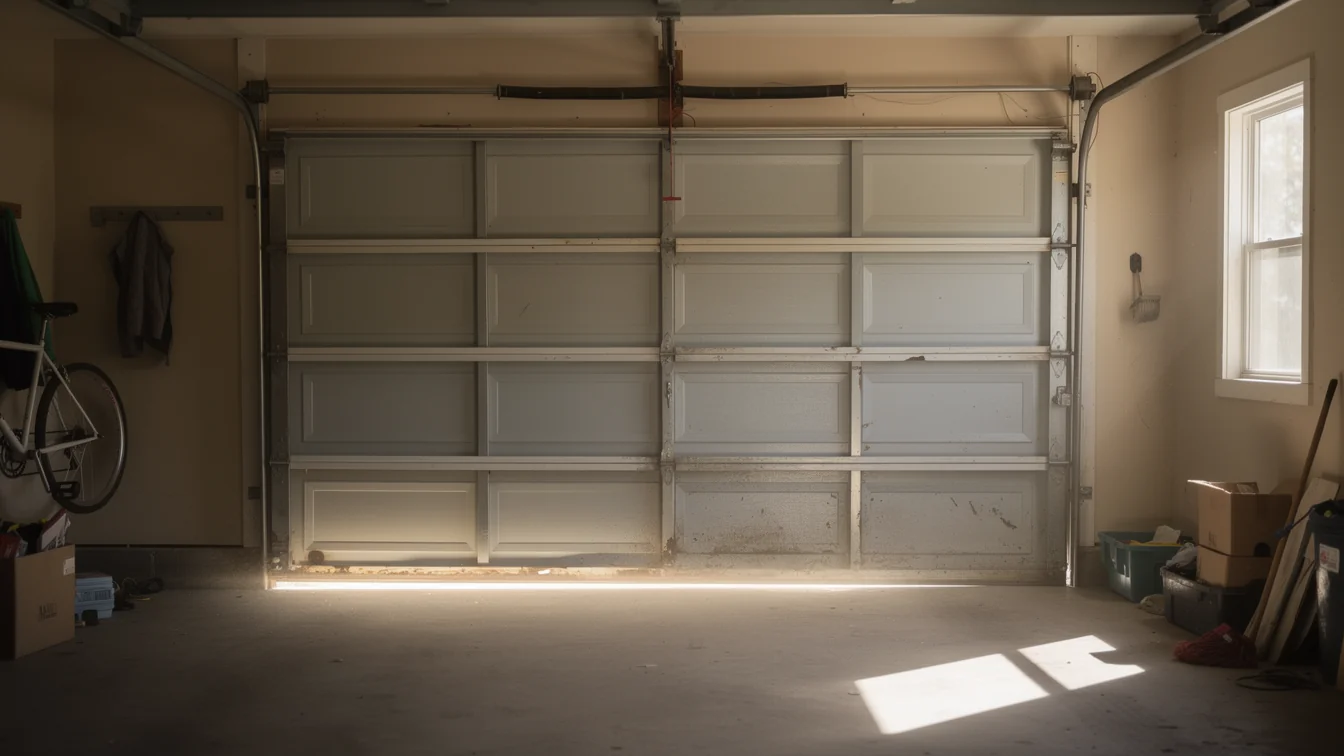
Most Slidell-area garage doors date to the 1989-1997 building boom.
Read more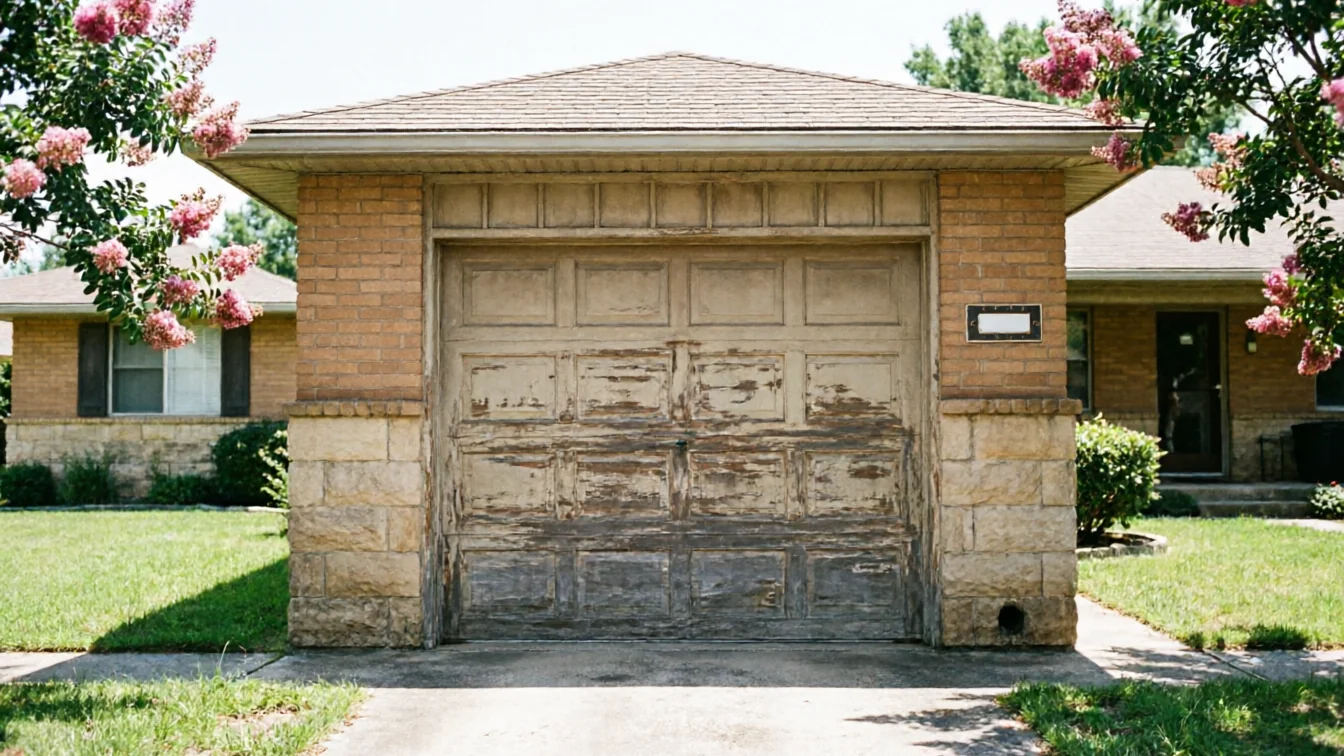
Most Slidell homes date to 1989-1997, so the doors coming due now are original 1990s hardware.
Read moreReady when you are
Slidell Garage Door Pros repairs and installs garage doors, springs and openers in Slidell, LA and the surrounding area.