
Lacombe, Slidell
Garage Door Repair for Lacombe Homes, Covered from Slidell
Lacombe's homes date mostly to 1994, meaning original springs and openers are aging out. Slidell Garage Door Pros covers the 9-mile drive for repair calls.
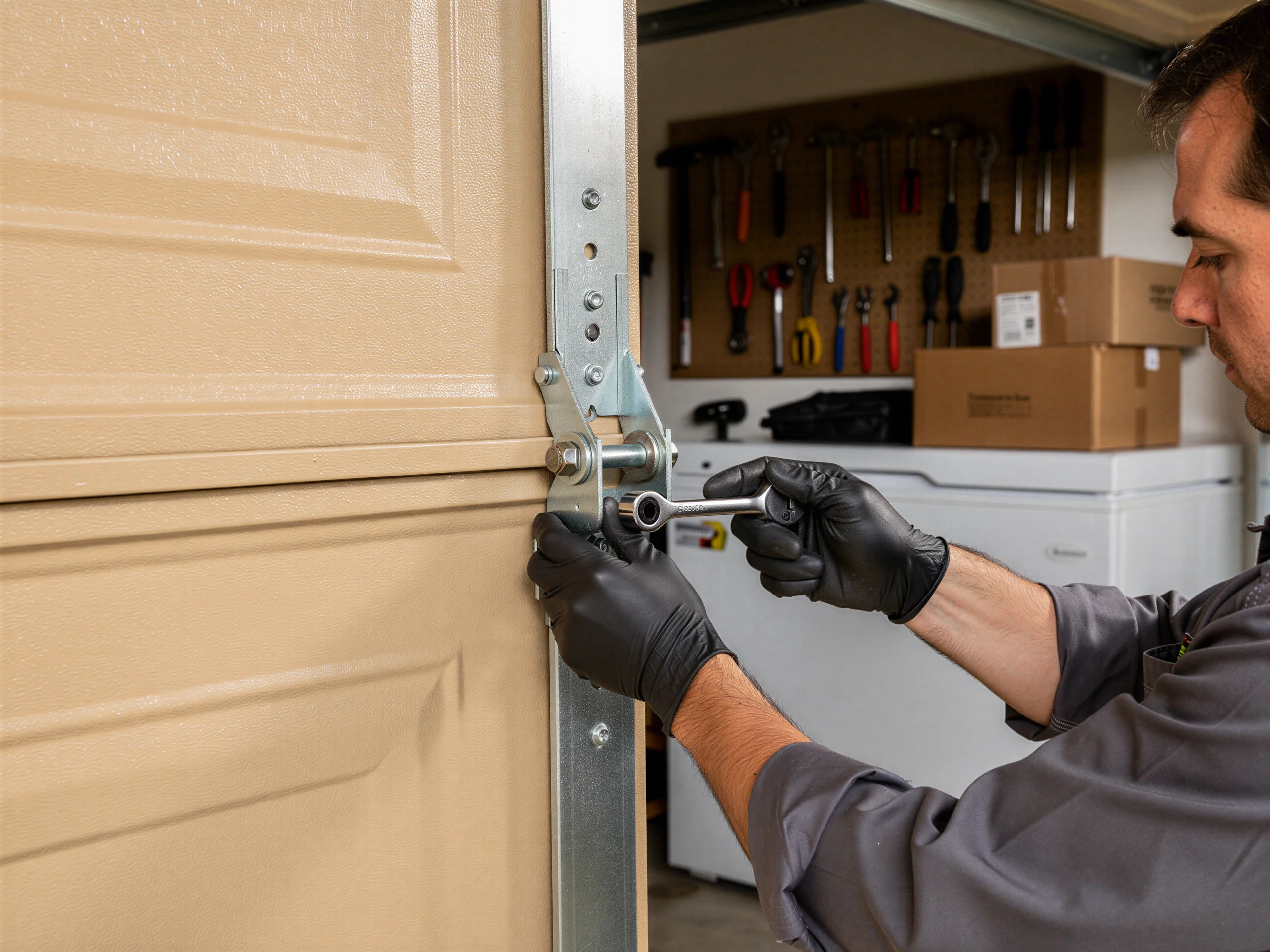
Doing It Yourself
There's a real split between what you should check yourself and what needs a call. Before you touch anything heavy, check the obvious: is the opener plugged in, are the photo-eye sensors lined up and clean, is the wall switch getting power.
Five-minute fixes for stalls
Those take five minutes and fix more stalled doors than people expect. What you should not touch is the torsion spring above the door or the cables running down either side. A door built in the early-to-mid 1990s, which describes most of what's standing in Lacombe, is old enough that the spring has done its full cycle count and more.
Fingers and eyes at risk
Under tension, it doesn't fail gently. That's not a sales pitch, it's physics - a spring that's been winding and unwinding for thirty years and finally lets go can take a finger or an eye with it.
Nine-mile drive, manual release
One honest limit: we drive out from Slidell, roughly nine miles each way, so this isn't a walk-up-the-street response. If you can safely disconnect the opener and pull the door down by hand to get a car out, do that and wait for the call rather than forcing a jammed door with the opener still engaged.
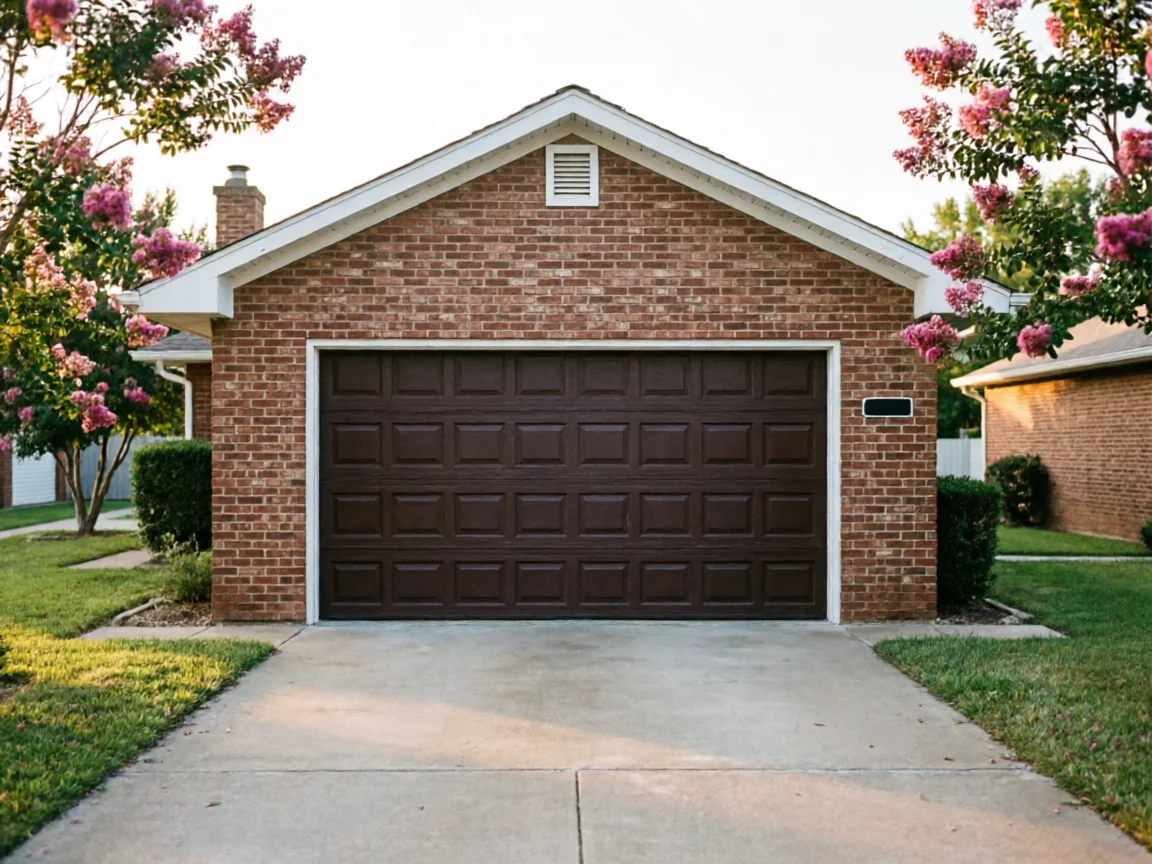
What You Are Seeing
Because the housing stock through this area clusters around a median build year of 1994, with most of it going up between 1989 and 1997, the doors and openers failing right now are mostly original equipment reaching the end of a normal service life, not damage.
Grinding opener, flickering light
A chain-drive opener from that era, if it's never been swapped, is running on a motor and gear set that's thirty-plus years old. When it starts grinding before it lifts, or the light flickers but the door doesn't move, that's wear, not a mystery.
Coating loss on springs
Steel panels from this period show their age differently - surface rust starting at the bottom panel where the door meets the slab, worse on the side that gets more weather. Galvanized torsion springs lose their coating over decades and start showing orange along the coils before they ever lose tension.
Reversal from dragging rollers
The other common complaint is a door that reverses halfway up for no clear reason. On houses this age, that's usually a worn roller dragging in a track that's slightly bent from thirty years of use, not a sensor problem, though it's worth ruling the sensors out first since that's the cheaper fix.
What You Pay
We don't have a flat number to quote here, and anyone who gives you one over the phone without seeing the door is guessing. What drives the cost on a 1990s-era door is usually the spring size and whether the opener needs replacing alongside it rather than just repairing.
Spring repair versus opener swap
With median household income in this part of the parish running $70,361, a bit under the roughly $72,411 median across the wider area we cover, a lot of homeowners here are weighing a spring repair against a full opener swap when both are showing age at once.
Avoiding a second trip
That's a reasonable question to ask out loud on the call - whether it makes more sense to fix what's broken today or replace the opener now while the door is already open, rather than paying for two separate trips.
Spring alone versus slipping motor
The honest answer is it depends on what's actually failing. A spring alone is a contained job. A spring plus a motor that's already slipping gears is a different conversation, and we'll tell you if the second trip is coming.
The Complications
The biggest practical complication here isn't the door, it's logistics. We run out of Slidell, and Lacombe is about nine miles from the shop, so same-day isn't the same as same-hour. Plan the call rather than expecting a truck within the hour.
The second complication is parts availability for openers that are old enough to be discontinued. A chain-drive unit installed when the house was built in the early 1990s may use a logic board or wall control that isn't stocked anymore. When that happens, the honest move is replacing the opener rather than hunting for a part that may not exist, and we'll say so rather than stringing out a repair that won't hold.
The climate here is mild with only occasional freezes, which is easier on hardware than a true cold-winter market, but it's not maintenance-free. Humidity does its own slow damage - lubricant gums up in tracks, hinges seize from moisture rather than cold, and galvanized coatings on older springs wear through from damp air over the decades rather than from ice. None of that shows up overnight, which is why a door that worked fine last month can seize up with no warning this month.
Stocked Parts
Given how much of the housing stock through this area sits in that late-1980s-to-late-1990s window, the torsion springs we carry are sized for the standard single and double door setups that were common builds for that era - not the lighter-gauge springs you'd find on something built in the last five years.
Galvanized rollers and hinges
Rollers, cables, and hinges in galvanized finish are regular stock too, since that's what holds up best against the humidity typical of this mild, occasional-freeze climate band. Where we run into limits is opener-specific electronics - circuit boards, remotes, and wall controls tied to a specific model and year.
Early 1990s control boards
If your opener is original to a house built in the early 1990s, the control board may be a special-order part with a lead time, or it may not be manufactured anymore at all.
Standard hardware fixes
We'll check before promising a same-visit fix on anything electronic rather than assume it's on the truck. Springs, cables, rollers, and standard hardware - that's a same-visit job most of the time. Boards and remotes on an original opener - that's the one we're upfront about taking longer.
Why It Happens Here
Two things line up to explain most of the calls we get from this part of the parish. First, the age of the housing stock - a median build year of 1994, with most homes going up between 1989 and 1997, means a lot of original springs, openers, and track hardware are aging out around the same calendar window, all at once. That's not a coincidence, it's a whole neighborhood's worth of garage doors built in the same decade reaching the same wear point together.
Second, the climate band here is mild with only occasional freezes - nothing like the hard freeze-thaw cycling that cracks metal up north - but the humidity does its own damage over time. Moisture works into unprotected hardware slowly: lubricant breaks down, galvanized coatings on springs wear thin, and steel panels rust from the bottom track upward rather than failing from cold.
With roughly 2,782 households spread through this area, that's a smaller, more spread-out market than the broader coverage area's 13,829, which is part of why we run calls out here from the Slidell shop rather than keeping a separate crew based locally.
Questions
Common questions
Why is my garage door opener failing now if nothing's changed?
If your house was built in the early-to-mid 1990s like most of the homes through this area, your original opener is likely thirty-plus years old. Motors, gears, and logic boards from that era wear out on their own timeline, with no single cause. It's normal use catching up with the equipment, not a sign something was done wrong.
Do you have a shop in Lacombe?
No. We run out of Slidell, about nine miles away, and drive out for repair calls rather than keeping a separate location here. That means scheduling a visit rather than expecting someone within the hour, but it's still a short trip for us.
Should I repair my old opener or replace it?
Depends what's actually wrong. A worn roller or weak spring on an otherwise sound opener is a straightforward repair. If the opener itself is original to a house built in the early 1990s and the control board is failing, parts may be hard to source, and replacing it usually makes more sense than chasing a discontinued board.
Why does my spring look rusty but still work?
The climate here is mild with only occasional freezes, so springs don't fail from hard cold the way they might up north. Instead, humidity slowly wears through the galvanized coating over years, which shows up as surface rust well before the spring actually loses tension or breaks.
Explore more
More Services in Lacombe
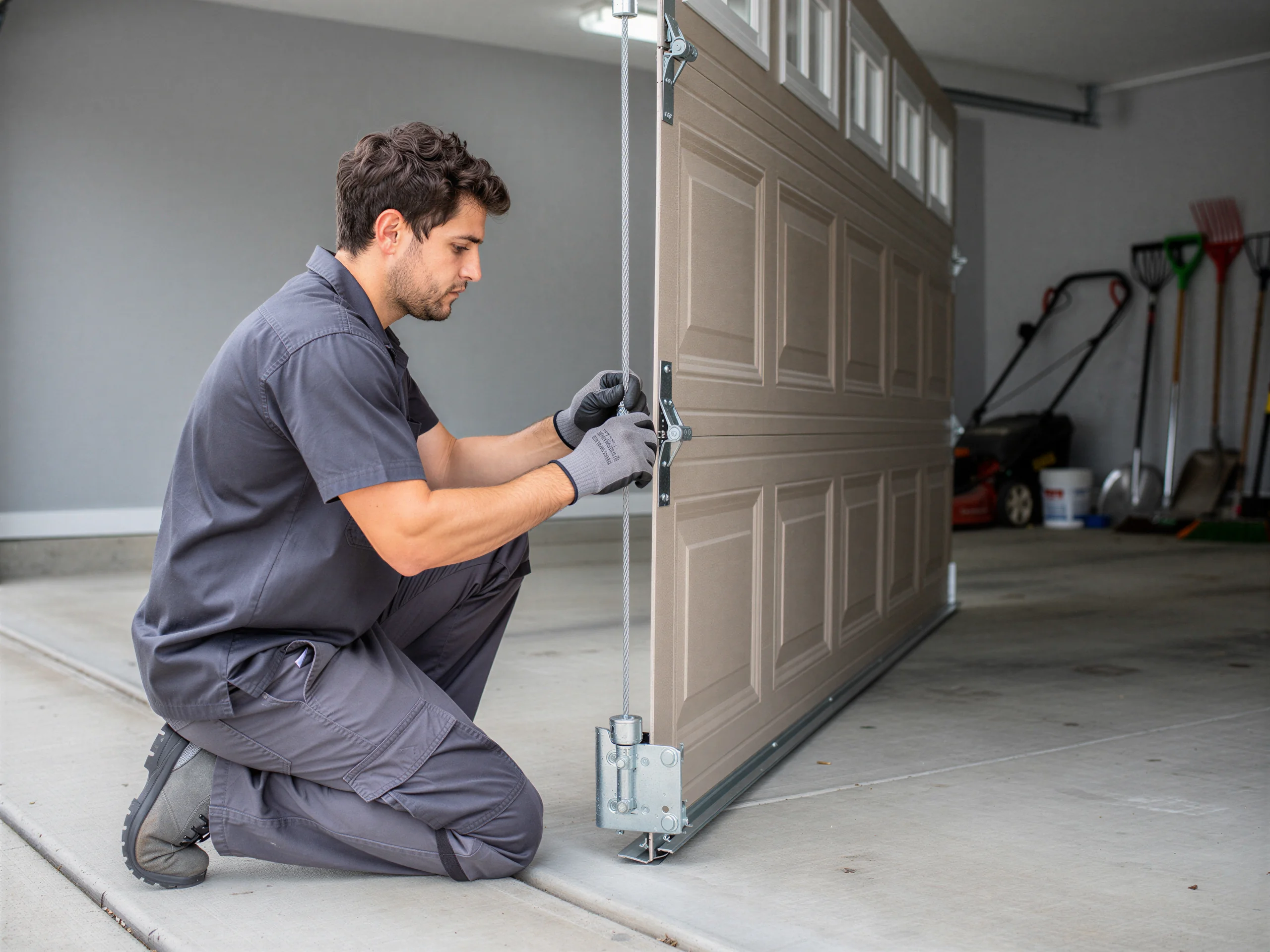
Cable Repair
Cable repair for Lacombe's 1990s-built steel sectional doors, serviced from Slidell 9 miles away. Learn more →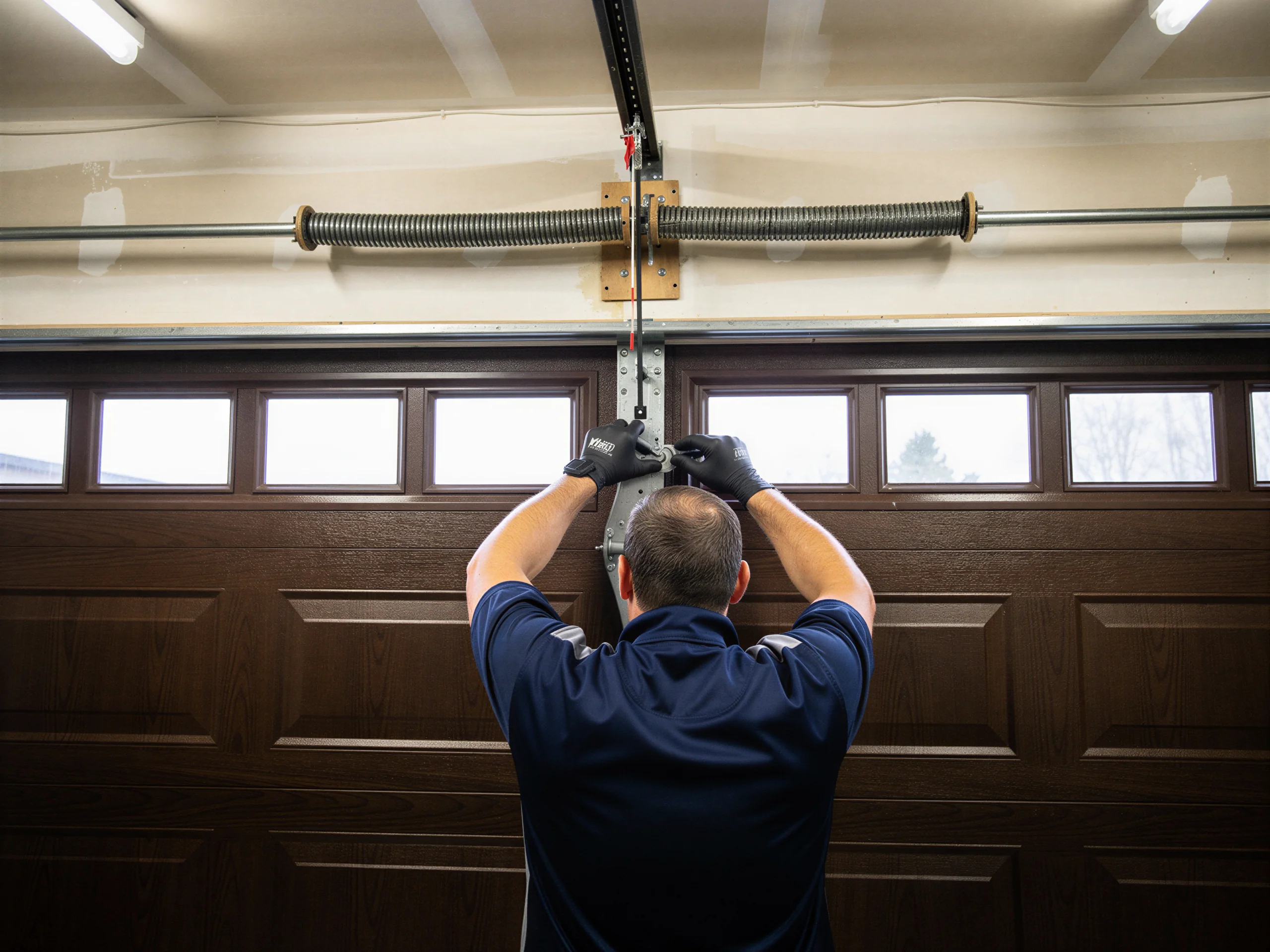
Garage Door Service
Lacombe homes mostly date to the early-to-mid 1990s. Learn more →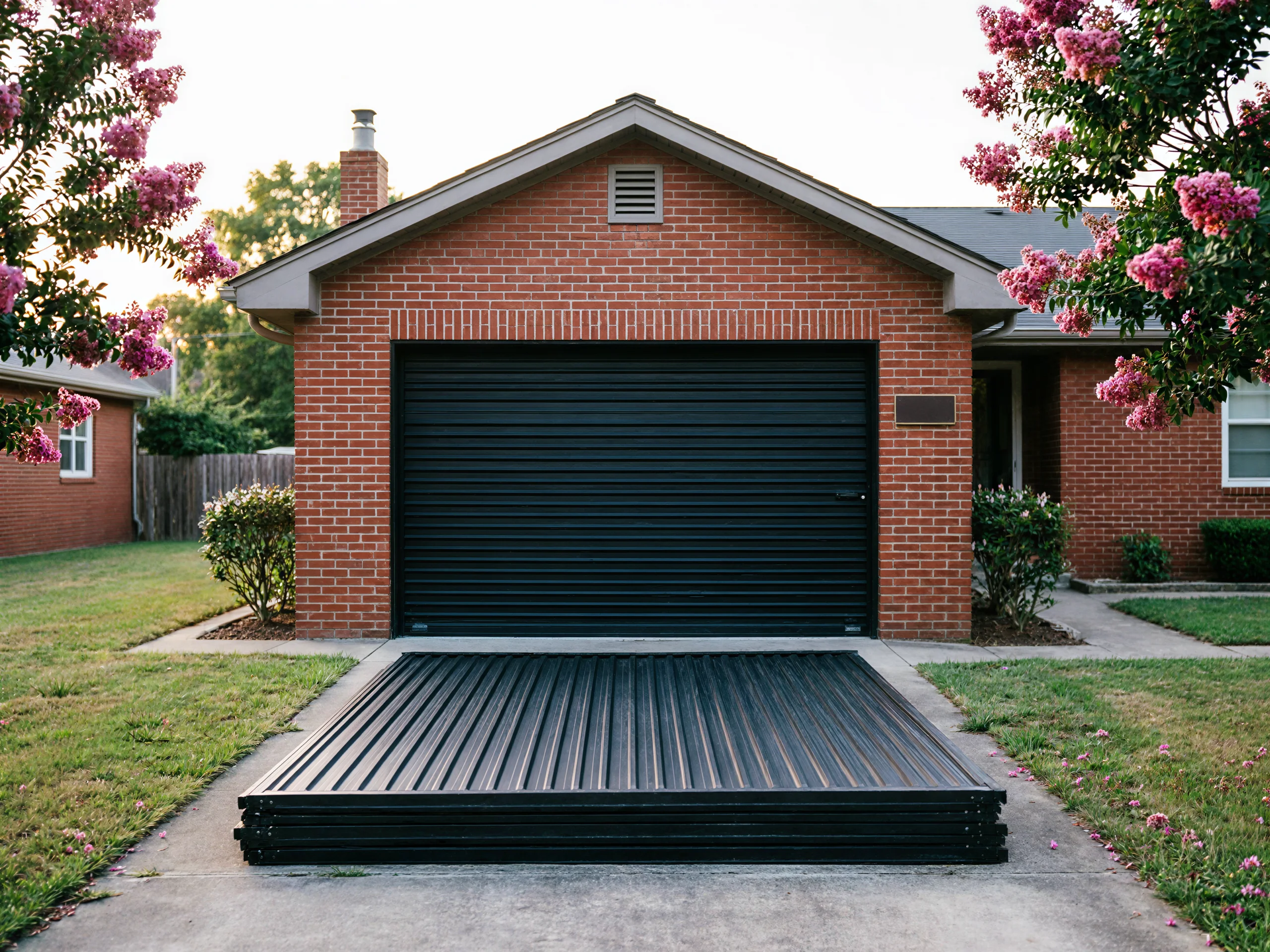
New Door Installation
Most Lacombe garage doors date to the mid-1990s build boom. Learn more →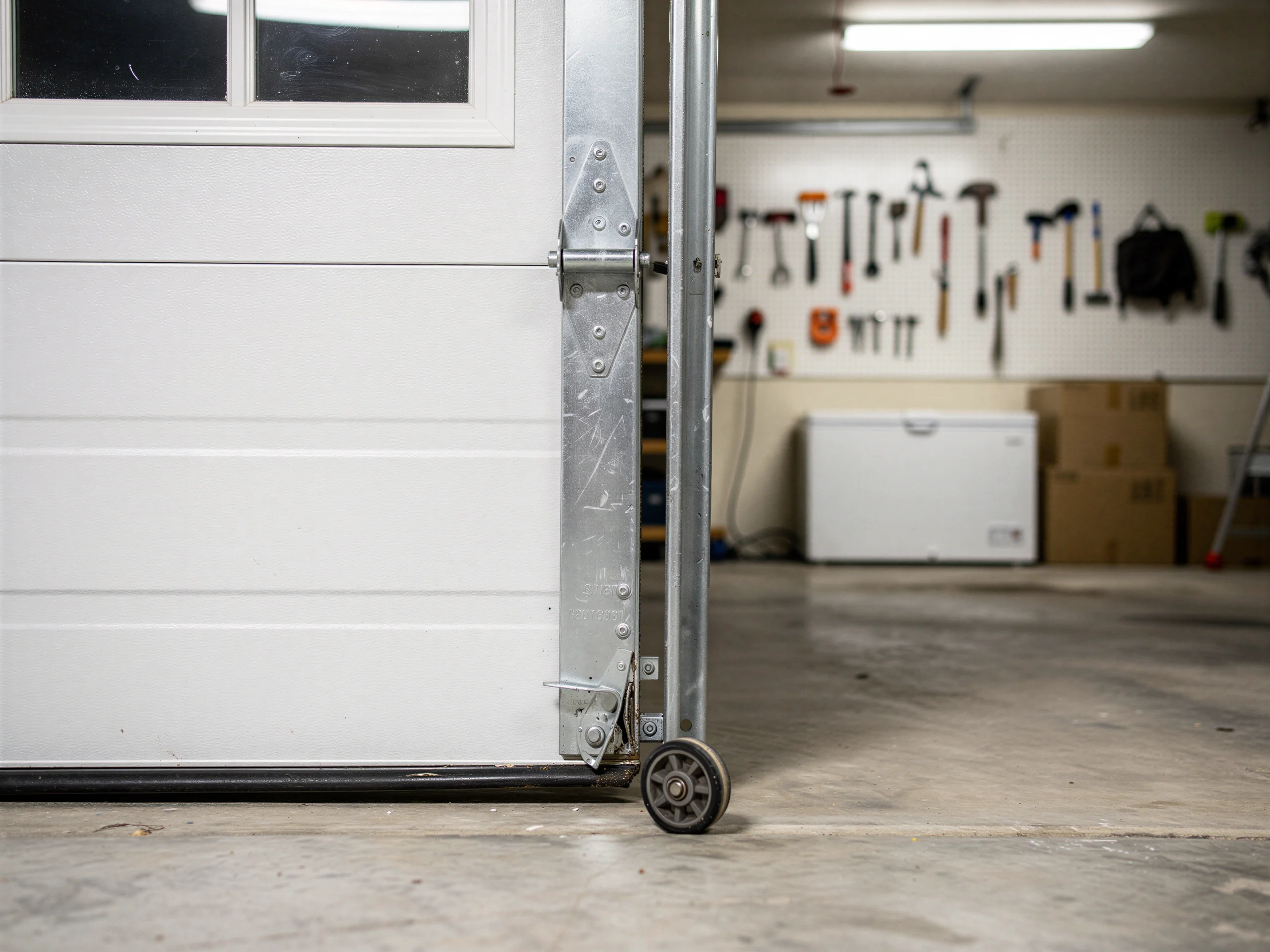
Off Track Repair
Off-track doors on Lacombe homes built since 1994 usually mean lightweight track and nylon rollers that jump easily. Learn more →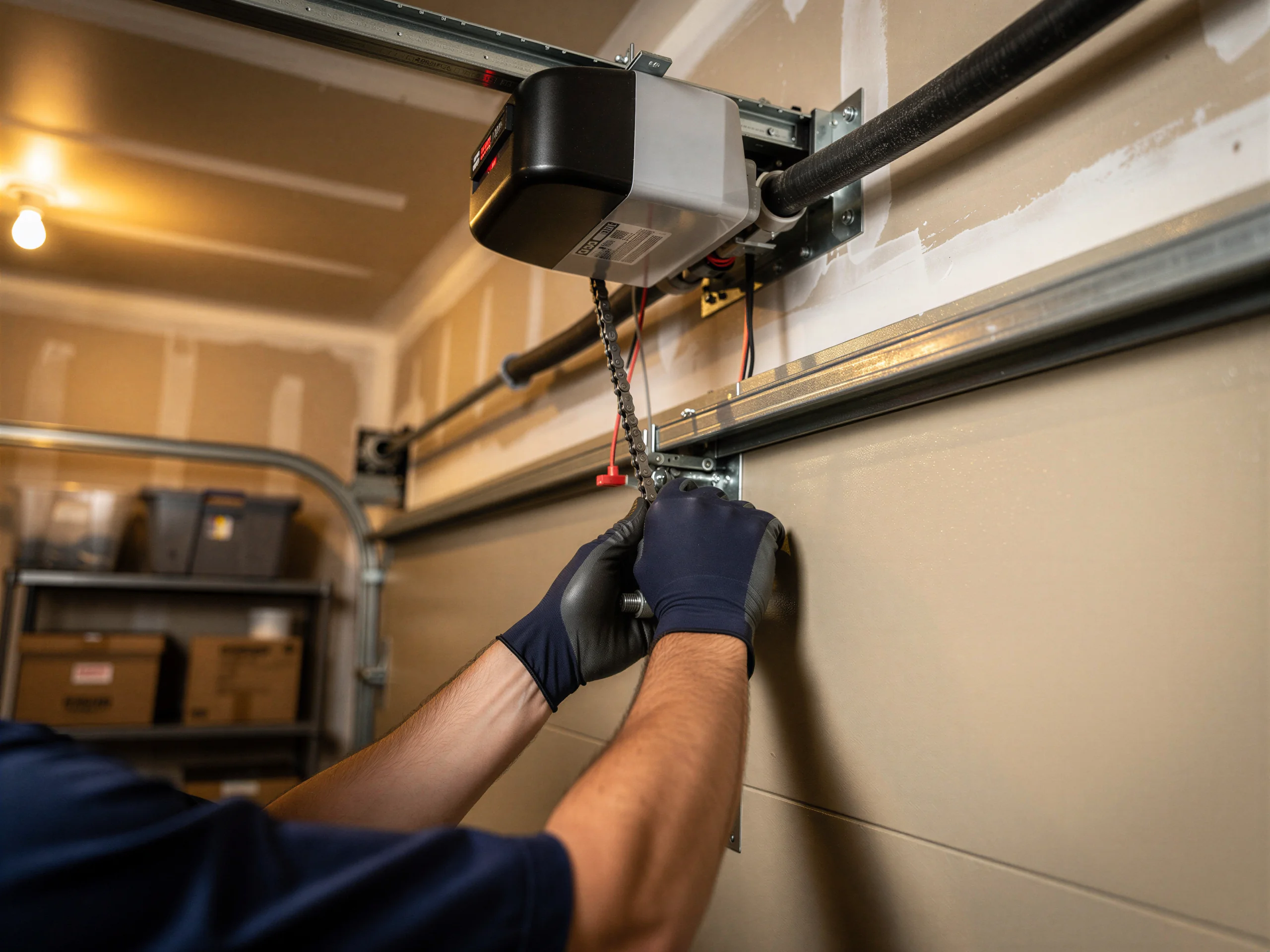
Opener Repair
Opener repair for Lacombe homes, most built around 1994. Learn more →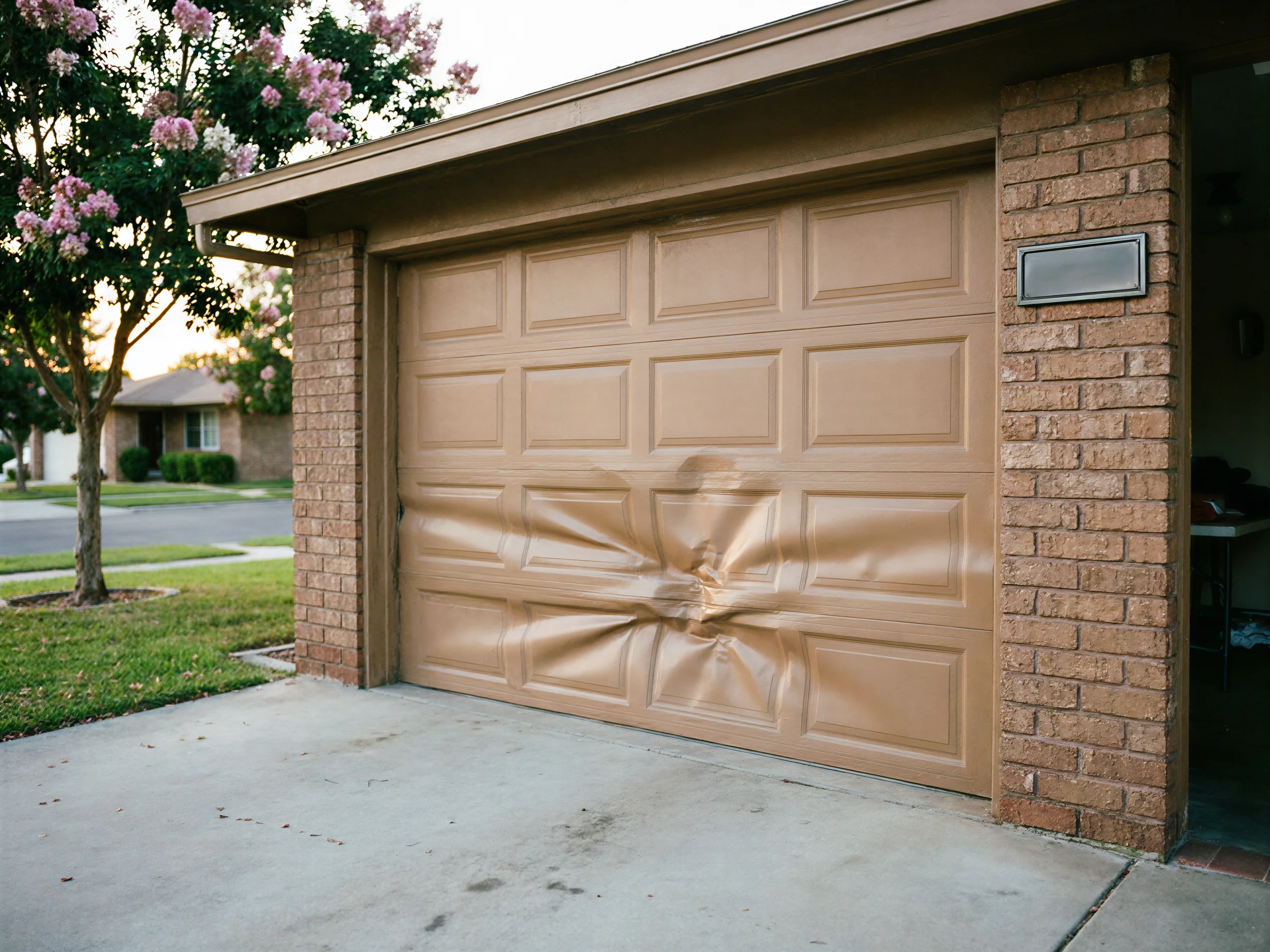
Panel Replacement
Lacombe's 2,782 households mostly date to the early 1990s, so panel replacement here means matching sizes and hardware specific to that build era. Learn more →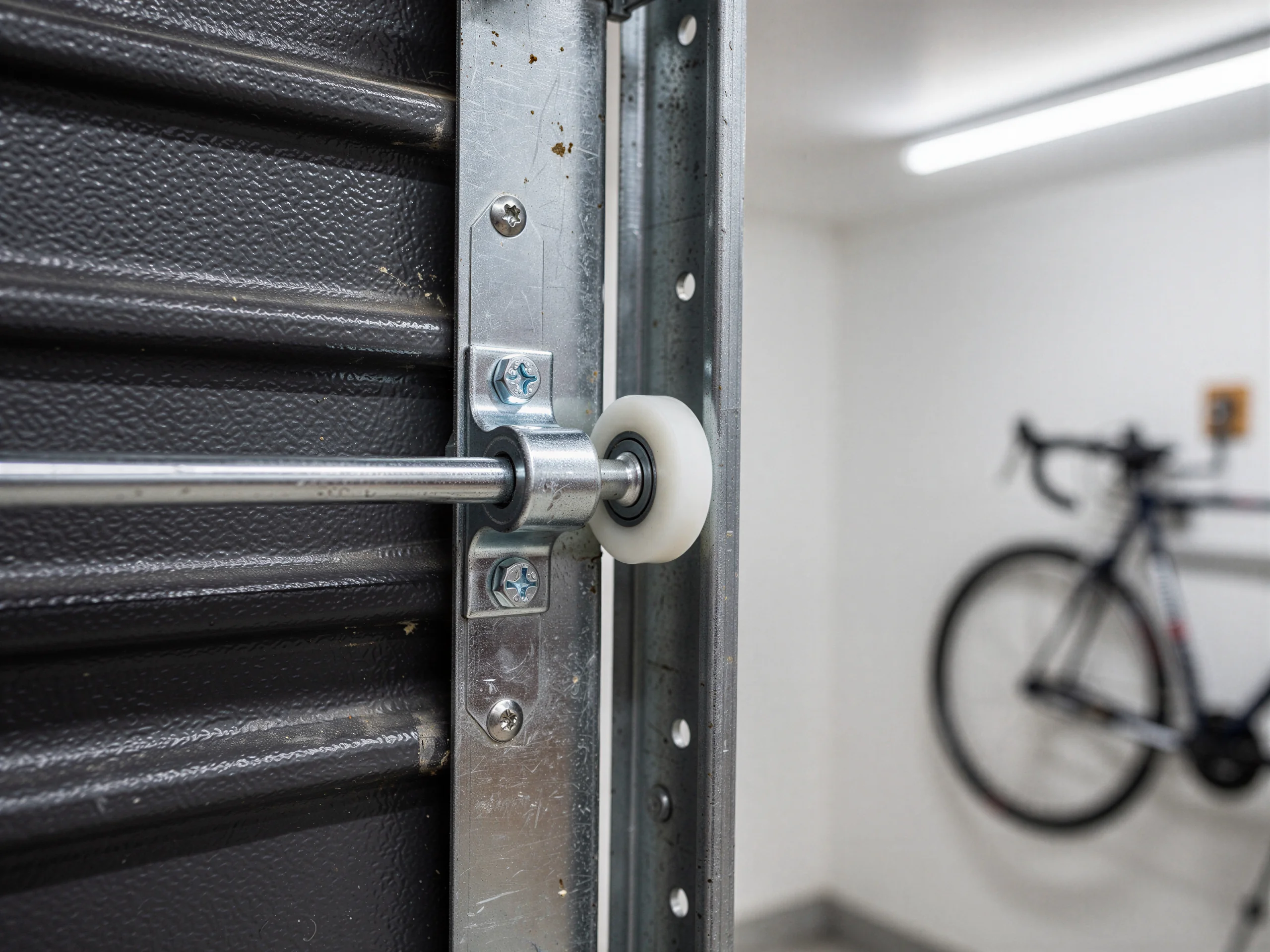
Roller Replacement
Lacombe's 1994-median housing means original steel rollers are now 25-30 years old. Learn more →Ready when you are
Garage door trouble in Lacombe?
Slidell Garage Door Pros repairs and installs garage doors, springs and openers in Slidell, LA and the surrounding area.